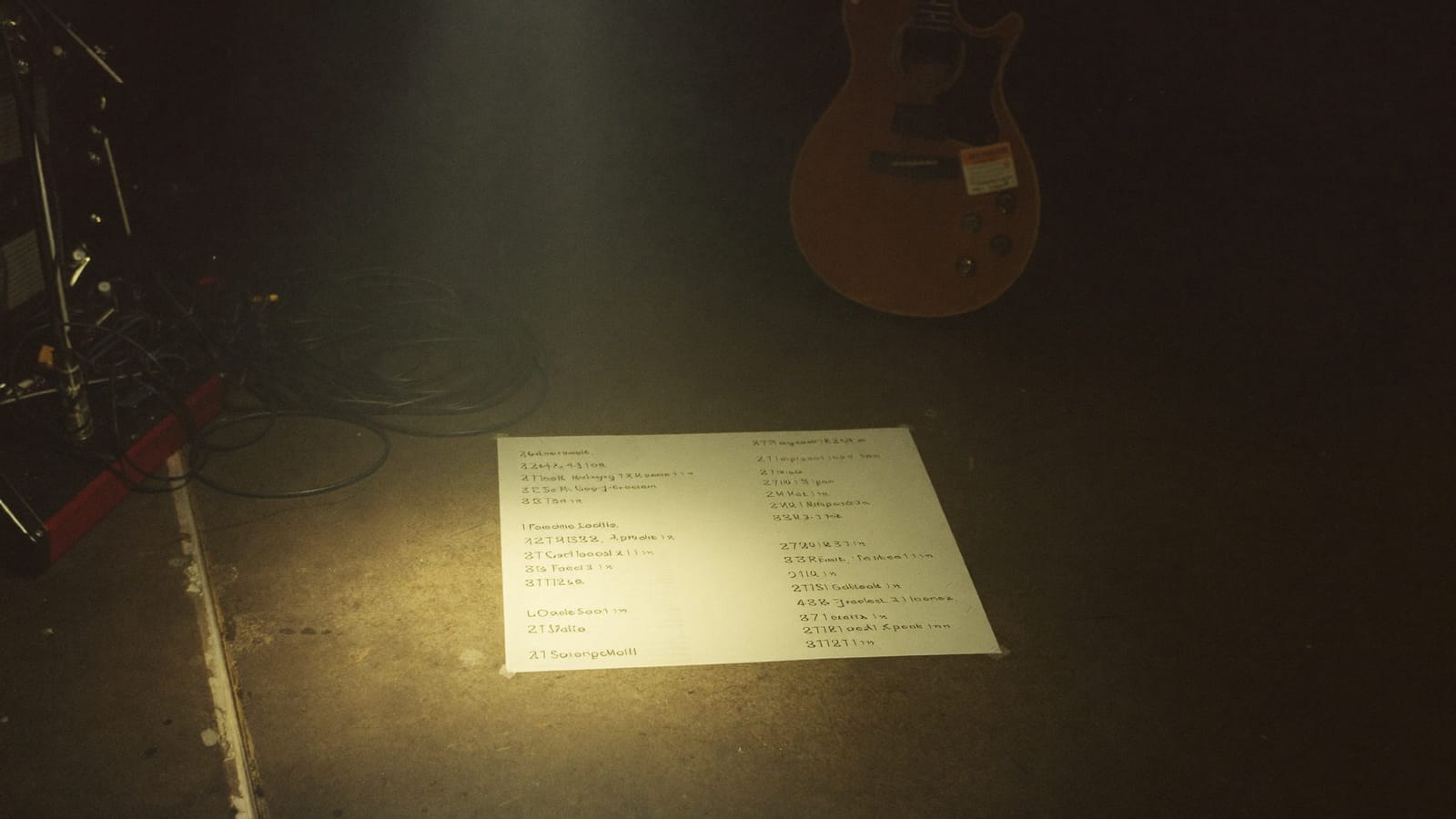
People imagine a setlist is a stack of favorite songs in a pleasing order. It's closer to architecture: a two-hour structure that has to hold the weight of a room's attention without a sag in the middle.
In The British Invasion Years, the set is built, argued over, and rebuilt constantly. The principles stay the same.
Open with recognition, not the best song
The first ninety seconds buy the next two hours. The opener's job is instant recognition — the song a casual fan knows by the second bar. The best material lands harder twenty minutes in, after the room has decided to trust you.
Think in blocks, not songs
- Energy blocks — three or four up-tempo numbers that build momentum and let the dance floor commit.
- The breather — a ballad placed where the room needs it, not where the chronology says. Tired feet make grateful listeners.
- The history thread — the show moves loosely through the era, early Merseybeat toward the psychedelic turn, so the night tells a story without a lecture.
Protect the singers
A set that looks great on paper can be brutal on voices — four harmony-heavy numbers in a row will sand the top off any tenor by the encore. Vocal load gets spaced the way a good chart spaces breaths.
Leave room to call an audible
Two or three slots stay flexible every night. A room that wants to dance gets another mover; a listening room gets the deep cut. The printed list is a plan, not a contract.
End past the ending
The encore isn't extra — it's the part people hum in the parking lot. The closer before it should feel final, so the return feels like a gift instead of a schedule.
None of this is visible from the floor. That's the point: when the pacing is right, the night just feels inevitable.